Digital life feels light because most of it happens on screens. A video loads in seconds, a smart thermostat adjusts itself, a payment goes through online, a game opens on a phone, and a movie streams without anyone thinking about power plants, data centers, routers, cooling systems, or home electricity demand. Yet every digital action sits on top of an energy system.
For a site like ClearSkieS, this topic fits naturally. The site already explores different forms of energy production, renewable sources, energy efficiency, HVAC waste, online energy services, and practical ways to understand consumption. Digital life is now part of that conversation because homes are no longer just heated, cooled, and lit. They are connected, streamed, charged, monitored, automated, and entertained almost constantly.
The key point is not that digital tools are bad. Many of them help reduce waste, replace travel, improve billing, support remote work, and manage energy more intelligently. The problem is that people often treat digital activity as energy-free. A more useful approach is to see digital living as part of household energy planning.
The Home Is Now a Small Digital Hub
A modern household may include phones, tablets, laptops, smart TVs, game consoles, routers, security cameras, smart speakers, thermostats, printers, chargers, wearable devices, and appliances with connected features. Each item may use only a small amount of power on its own, but together they create a constant background load.
The U.S. Energy Information Administration’s overview of home energy use shows how residential energy demand is shaped by heating, cooling, appliances, electronics, and lighting. Electronics may not always be the largest category, but their role is growing because connected devices remain active even when people are not directly using them.
This matters because household energy planning often focuses on obvious devices. People notice the air conditioner, oven, washing machine, or heater. They are less likely to notice routers running all night, streaming boxes on standby, chargers left plugged in, or game consoles downloading updates while the room is empty.
Digital Convenience Can Hide Energy Waste
One reason digital energy use is difficult to control is convenience. Devices are designed to be ready instantly. Smart speakers listen for commands. TVs wake quickly. Consoles update automatically. Cloud services sync in the background. Security cameras upload footage. Thermostats track patterns. These features are useful, but they all require energy.
The goal is not to unplug everything and return to an uncomfortable home. The goal is to decide which features are worth keeping active and which are just silent waste. A security system may need continuous power. A rarely used guest room TV may not. A router must stay on for many households. A printer does not need to remain awake all day.
ClearSkieS already discusses practical household efficiency in its article on HVAC energy waste. The same mindset applies to digital devices: start by finding the biggest sources of unnecessary use, then fix those before buying new equipment.
Streaming Is Not Just a Screen Activity
Streaming video feels cleaner than physical media because there is no disc, package, or trip to the store. But streaming still uses energy across several layers: the user’s device, home router, network infrastructure, data centers, and content delivery systems. Higher resolution, longer viewing time, autoplay, and multiple household screens can increase demand.
The International Energy Agency tracks data centres and data transmission networks, which are essential to digital services. These systems have become more efficient in many ways, but demand continues to grow as streaming, cloud computing, artificial intelligence, online gaming, and connected services expand.
For households, the practical lesson is simple. Streaming habits matter most when they become automatic. Leaving video running in the background, using the highest resolution when it is not needed, or allowing multiple devices to stream separately in the same room can create avoidable demand. Small behavior changes can reduce waste without reducing enjoyment.
Gaming and Online Entertainment Add Another Layer
Online gaming, live streaming, cloud gaming, casino-style entertainment platforms, and mobile promotions all belong to the wider digital energy picture. They depend on user devices, payment systems, servers, networks, real-time data exchange, and sometimes heavy graphics processing. A single casual session may not matter much, but millions of sessions across regions become part of energy demand.
Digital entertainment also uses attention-driven design. Platforms encourage users to return through bonuses, notifications, time-limited offers, events, updates, and rewards. For example, online entertainment promotions may appear through links such as https://playfortune.net.br/bonus/50-rodadas-gratis/, which shows how digital incentives can be built into gaming and casino-style environments.
From an energy perspective, this matters because attention affects duration. The longer a device stays active, the longer screens, processors, routers, and remote systems continue working. Responsible digital habits are not only about time management. They can also reduce unnecessary electricity use.
Smart Home Devices Can Save or Waste Energy
Smart home technology is often marketed as an efficiency tool. It can be. Smart thermostats, occupancy sensors, connected plugs, energy monitors, and automated lighting can help households reduce waste when they are configured well. But smart devices can also become another layer of standby consumption if they are installed without a clear purpose.
An ENERGY STAR guide to smart thermostats explains how connected temperature controls can support energy savings when used properly. The most important phrase is “used properly.” A smart thermostat that follows a poor schedule or fights against open windows will not solve the problem. Automation needs good settings and good habits.
A useful rule is to install smart devices where they control a meaningful energy load. Heating, cooling, water heating, lighting in high-use areas, and standby-heavy electronics are good candidates. A smart plug on a rarely used lamp may be less valuable than one controlling a cluster of entertainment devices.
Table: Digital Habits and Their Energy Impact
|
Digital Habit |
Where Energy Is Used |
Better Practice |
|
Streaming in 4K by default |
TV, router, network, data centers |
Use high resolution when it improves viewing, not automatically |
|
Leaving consoles on standby |
Console, downloads, updates, network connection |
Use energy-saving settings and shut down fully when not needed |
|
Running smart devices without purpose |
Sensors, hubs, apps, cloud services |
Keep only devices that solve a real problem |
|
Multiple chargers always plugged in |
Small standby loads across rooms |
Use power strips or unplug rarely used chargers |
|
Background video or music all day |
Screens, speakers, networks, servers |
Switch to audio-only when video is unnecessary |
|
Poor thermostat schedules |
HVAC equipment and connected controls |
Match settings to occupancy and sleep patterns |
This comparison shows that digital energy efficiency is rarely about one dramatic change. It is usually about reducing background activity that nobody values.
Online Energy Services Can Help Households See Patterns
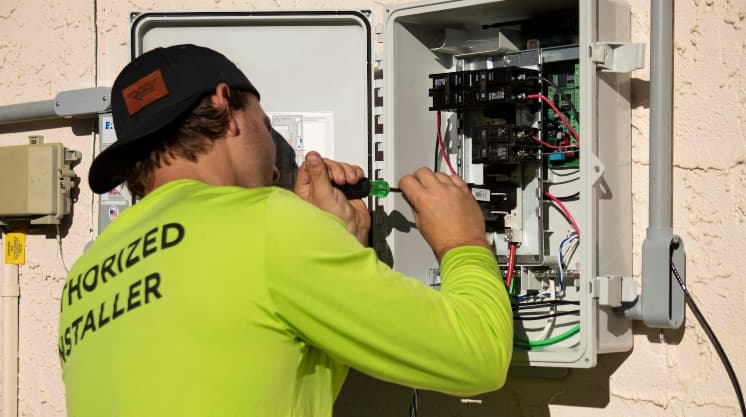
Many utilities now offer digital portals, usage charts, automatic payments, alerts, and billing tools. These services can help households understand when energy use rises, whether changes are working, and which months are most expensive. ClearSkieS covers this area in its article on online services for energy consumers.
The value of these tools depends on whether people actually use them. A monthly bill gives only a broad result. A usage chart can show patterns. A household may notice that energy spikes during heat waves, after installing a new device, during school holidays, or when remote work increases.
Digital billing tools can also support behavior change. If a family sees that evening use is rising, they can investigate entertainment devices, laundry timing, cooking habits, thermostat settings, or lighting. Information does not save energy by itself, but it makes better decisions possible.
The Grid Feels Digital Pressure Too
Household devices are only one part of the story. Digital life also affects the wider grid. Data centers need electricity and cooling. Telecommunications networks need reliable power. Manufacturing devices requires energy and materials. As artificial intelligence, streaming, cloud services, and online entertainment grow, energy planners must think about how digital demand fits into renewable energy goals.
This is where renewable power becomes important. The U.S. Environmental Protection Agency’s information on green power markets helps explain how organizations and consumers can support electricity from renewable sources. For data-heavy companies, renewable procurement can be part of reducing the environmental impact of digital infrastructure.
However, renewable energy does not remove the need for efficiency. A clean kilowatt-hour is still valuable. Wasting renewable electricity is better than wasting fossil electricity, but it is still waste. The best strategy is both cleaner supply and lower unnecessary demand.
Digital Devices Have a Material Footprint
Energy is not only used when devices are plugged in. It is also used to mine materials, manufacture components, ship products, run software updates, and eventually recycle or dispose of electronics. Replacing devices too frequently can increase environmental impact even if the new device is more efficient.
This is why energy-aware digital living includes product lifespan. A tablet, laptop, TV, or router should be maintained and used for as long as it remains secure and functional. Software support, battery health, repair options, and durability all affect the real energy cost of ownership.
For consumers, this means buying devices with realistic needs in mind. A household that mostly streams shows and checks email may not need the most powerful hardware. A gamer, designer, or remote worker may need higher performance. Matching the device to the task prevents both underbuying and wasteful overbuying.
Bioenergy and Digital Systems Share a Planning Lesson
At first glance, bioenergy and digital entertainment seem unrelated. One turns organic material into usable energy, while the other moves data through screens and networks. But they share a planning lesson: systems matter. Waste in one place can become value in another if the system is designed carefully.
ClearSkieS explains this idea well in its article on bioenergy. Organic waste can become fuel under the right conditions. In digital life, wasted electricity cannot be recovered as neatly, but unnecessary use can be reduced through better settings, habits, and infrastructure.
Both topics remind us that energy is not just a bill. It is a flow. The way a household, company, or city organizes that flow determines whether resources are used intelligently or lost through poor design.
Small Household Steps That Actually Help
Digital energy efficiency should be practical. Most people will not measure every watt or redesign their entire home network. They need simple steps that fit ordinary life.
A small action list:
- Turn off game consoles fully when they are not needed.
- Use power strips for entertainment centers and home offices.
- Reduce streaming resolution when watching on small screens.
- Disable autoplay when background video is not useful.
- Review smart home devices and remove those that serve no purpose.
- Set routers, printers, and computers to efficient modes where practical.
- Use utility portals to compare energy use month by month.
- Keep devices longer when they still receive safe software updates.
- Charge devices during normal routines instead of leaving them plugged in constantly.
- Match thermostat schedules to real occupancy.
These changes are not extreme. They simply remove waste from habits that often run unnoticed.
Renewable Energy at Home Still Has a Role
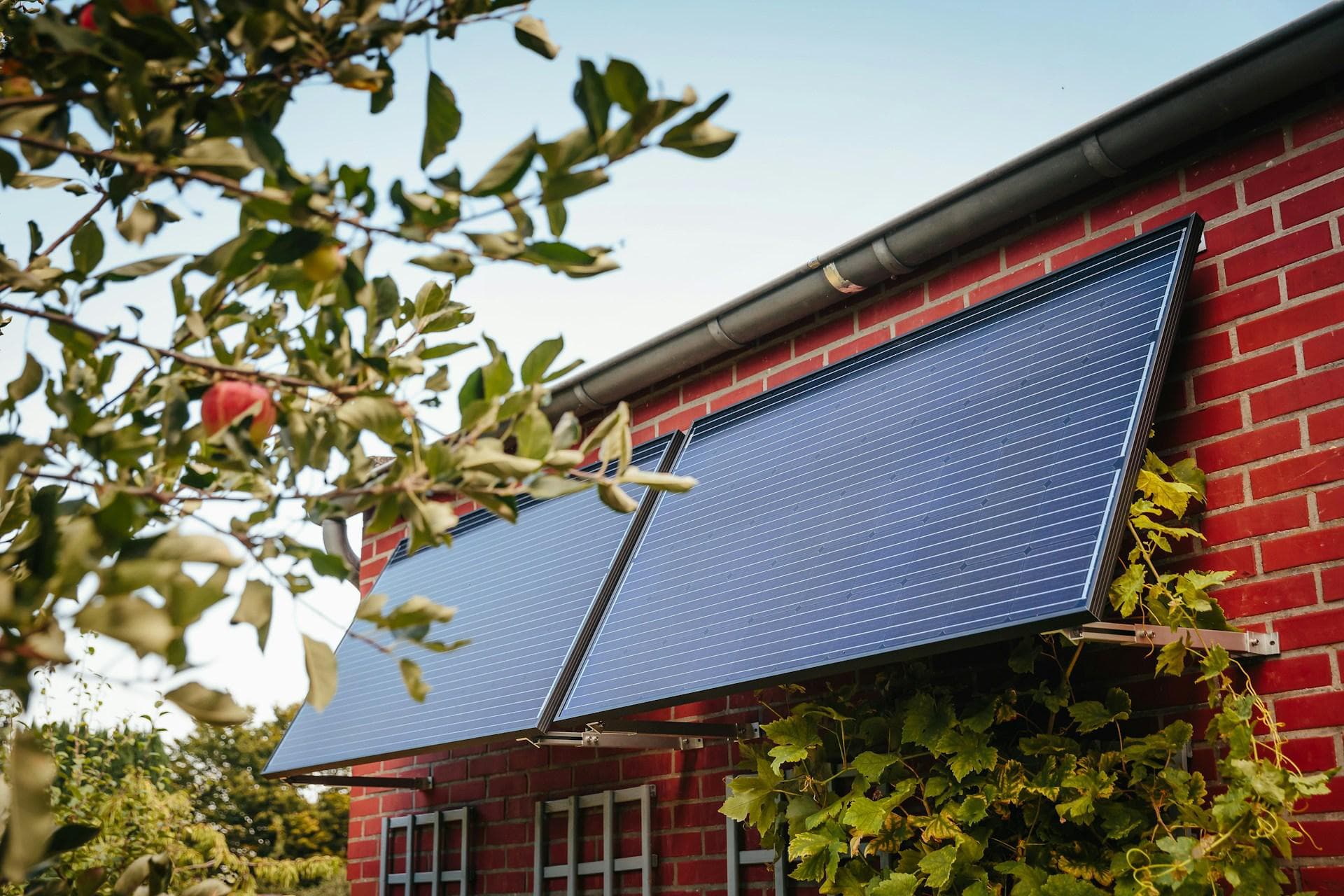
After reducing unnecessary demand, households may consider renewable energy options. Solar panels, battery storage, green power plans, and community solar can help lower the carbon intensity of digital living. The National Renewable Energy Laboratory offers broad research context on solar energy, which remains one of the most visible home-scale renewable options.
The important sequence is efficiency first, generation second. If a home wastes power through poor insulation, outdated HVAC settings, and always-on electronics, it may need a larger renewable system than necessary. Reducing demand can make renewable investments more effective.
This is especially relevant for households with remote work, electric vehicles, gaming setups, or multiple connected devices. As digital and electrical loads grow, planning becomes more important.
A Better Way to Think About Digital Comfort
Digital comfort is now part of home comfort. People expect strong Wi-Fi, charged devices, instant entertainment, online payments, smart controls, and connected services. The question is not whether households should abandon these tools. The question is how to use them without creating silent waste.
Good energy planning treats digital life honestly. It recognizes that streaming, gaming, smart devices, cloud services, and online tools all depend on electricity. It also recognizes that many digital services can help reduce waste when used thoughtfully.
The future home will likely become even more connected. That makes energy awareness more important, not less. A household that understands its digital energy habits can enjoy modern convenience while keeping consumption under better control. Clear skies do not come from rejecting technology. They come from using energy with more intelligence, whether it powers a heat pump, a data center, a router, or the screen in your hand.