Most people think about home energy only when the bill arrives. Heating costs rise in winter, cooling costs rise in summer, and electricity use quietly grows as households add more devices, appliances, lighting, chargers, and comfort systems. Yet many homes waste energy every day in ways that are not obvious.
Improving home energy efficiency does not always require a full renovation, new windows, solar panels, or expensive equipment. Those upgrades can help in the right situation, but the first step is usually simpler: understand where energy is being used, where it is being wasted, and which changes will make the biggest difference.
A useful home energy plan begins with priorities:
- Reduce obvious waste before buying new equipment.
- Improve comfort and efficiency together.
- Focus first on heating, cooling, insulation, and air leaks.
- Maintain existing systems before replacing them.
- Choose appliances based on lifetime energy use, not only purchase price.
- Use renewable energy only after reducing unnecessary demand.
- Track bills over time so improvements can be measured.
This approach fits the real world. Most households have budgets, busy schedules, older equipment, and mixed priorities. The goal is not to create a perfect energy system overnight. The goal is to make steady improvements that reduce waste and make the home easier to live in.
Why Home Energy Use Is Often Hard to Understand
Energy use is invisible until it becomes expensive. You can see a dripping faucet, a cracked tile, or a broken cabinet door. You cannot easily see heat escaping through gaps, ducts leaking into an attic, a refrigerator working too hard, or a water heater losing heat throughout the day.
This is why many people focus on the most visible energy items, such as lights or phone chargers, while ignoring larger sources of consumption. Lighting matters, especially in homes that still use older bulbs, but heating, cooling, water heating, and major appliances usually have a much larger effect on household energy use.
Another challenge is that energy waste often feels like a comfort problem. A drafty room, uneven temperature, damp basement, hot upstairs bedroom, or cold floor may seem like a normal feature of the house. In many cases, these problems are signs of air leakage, poor insulation, weak ventilation, aging equipment, or inefficient system design.
Start With Heating and Cooling
Heating and cooling are usually among the largest energy uses in a home. That makes them the best place to begin. A house can have efficient appliances and LED lighting, but if the heating and cooling system is fighting leaks, poor insulation, or blocked airflow, bills will remain high.
The first step is maintenance. Filters should be changed regularly, vents should be open and unblocked, outdoor units should have proper clearance, and ducts should be checked when possible. A neglected system often uses more energy while delivering less comfort.
Thermostat settings also matter. Small adjustments can produce meaningful savings over time. In winter, lowering the temperature slightly when sleeping or away from home can reduce heating demand. In summer, raising the cooling set point by a small amount can help. The important part is consistency. Extreme temperature swings can make systems work harder and may reduce comfort.
Smart thermostats can be useful, but they are not magic. They work best when the household uses schedules, zones, and habits that match real life. A smart thermostat in a leaky, poorly insulated home may still struggle.
Air Leaks Can Undermine Everything
Air leaks are one of the most common causes of wasted energy. Gaps around doors, windows, attic hatches, plumbing penetrations, electrical outlets, recessed lights, and ductwork can allow conditioned air to escape and outdoor air to enter.
In winter, leaks make rooms feel cold even when the heating system is running. In summer, they allow hot, humid air to enter, making air conditioning work harder. Air leaks can also bring dust, outdoor pollutants, and moisture into the home.
Sealing obvious leaks is often one of the most cost-effective improvements. Weatherstripping, caulk, door sweeps, foam gaskets, and attic hatch insulation can all help when used correctly. The key is to focus on the biggest leaks first. Attics, basements, crawl spaces, and areas around mechanical systems often matter more than tiny gaps in visible rooms.
Insulation Works Best With Air Sealing
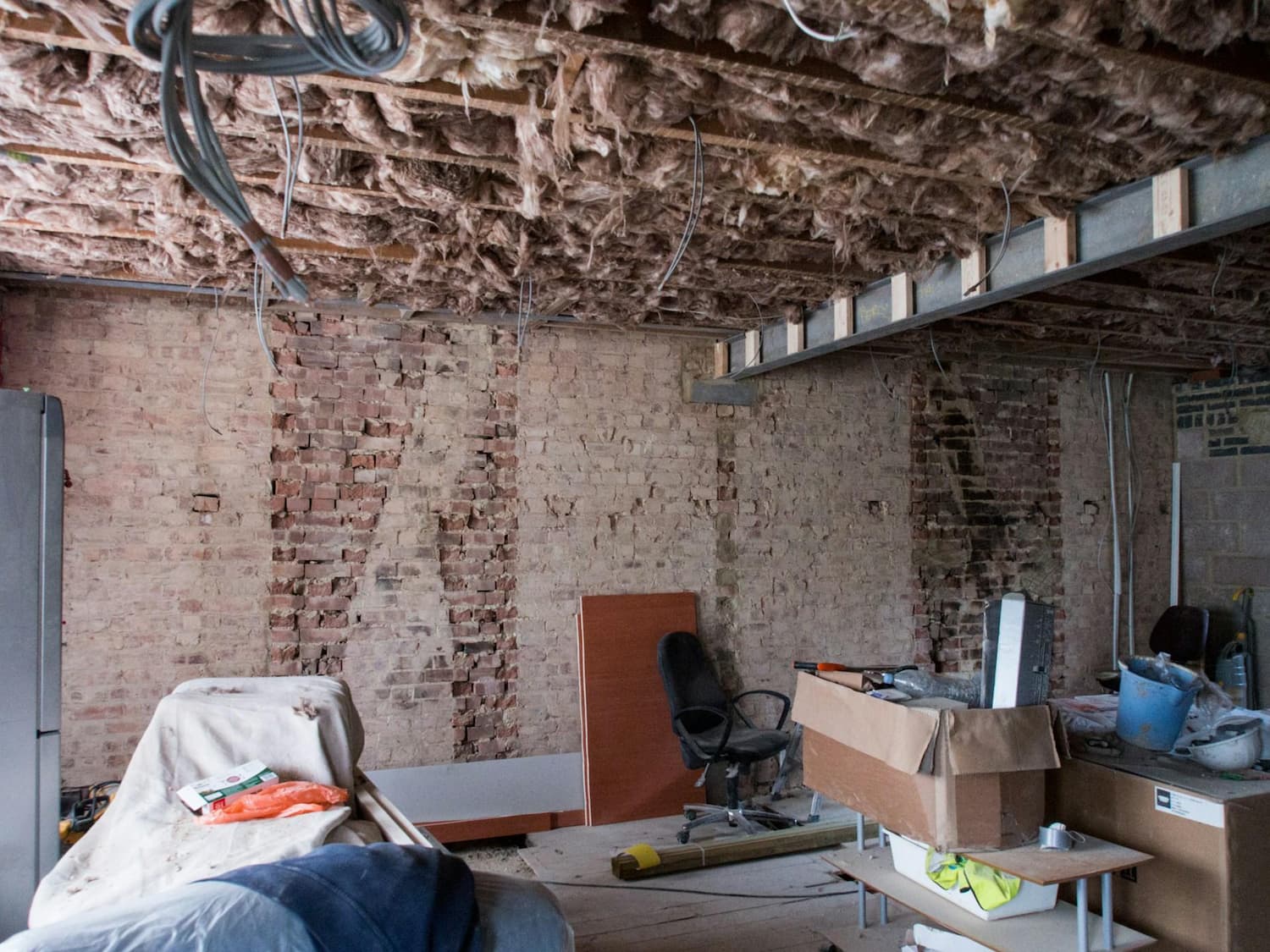
Insulation slows heat movement, but it works best when air leaks are controlled. A thick layer of insulation can still perform poorly if air is moving through gaps around it. This is why air sealing and insulation should be considered together.
Attic insulation is often especially important because heat rises in winter and roof spaces become very hot in summer. A poorly insulated attic can make the entire house less comfortable. Walls, floors over unconditioned spaces, basements, and crawl spaces may also need attention depending on the home’s age and design.
Insulation upgrades should be planned carefully. Moisture, ventilation, and existing building conditions matter. Adding insulation in the wrong place without addressing moisture can create new problems. When in doubt, a professional energy audit can help identify priorities.
Water Heating Deserves More Attention
Water heating is easy to forget because it works quietly in the background. Showers, laundry, dishwashing, and handwashing all add up. An inefficient water heater, high temperature setting, uninsulated pipes, or wasteful fixtures can increase energy use.
Simple changes can help. Lowering the water heater temperature to a safe and practical level, fixing leaks, using efficient showerheads, washing clothes in cold water when appropriate, and insulating accessible hot water pipes can reduce waste.
When replacing a water heater, households should compare options carefully. Traditional tank heaters, tankless systems, heat pump water heaters, and solar water heating all have different costs, space needs, maintenance requirements, and performance patterns. The best choice depends on climate, household size, fuel type, budget, and available space.
Appliances Should Be Judged by Lifetime Cost
The cheapest appliance on the sales floor is not always the cheapest appliance to own. Refrigerators, freezers, washers, dryers, dishwashers, and air conditioners may run for many years. A lower purchase price can be outweighed by higher electricity or water use over time.
When replacing appliances, households should look at efficiency ratings, expected annual energy use, capacity, repairability, and whether the appliance is correctly sized. Oversized appliances can waste energy. Undersized appliances may run too often or fail to meet household needs.
Refrigerators are a good example. A second old refrigerator in a garage may seem convenient, but it can use a surprising amount of electricity, especially in hot conditions. Removing unnecessary appliances can sometimes save more than replacing small devices around the home.
Lighting Is an Easy Win
Lighting is not usually the biggest energy user, but it is one of the easiest areas to improve. Replacing old incandescent or halogen bulbs with efficient LED bulbs can reduce electricity use and heat output. LEDs also last longer, which lowers maintenance.
Lighting design matters too. A room with one harsh overhead light may encourage people to use more light than needed. Task lighting, dimmers, motion sensors, and daylight awareness can improve both comfort and efficiency.
Outdoor lighting should be reviewed as well. Timers, motion sensors, and efficient fixtures can reduce unnecessary nighttime use while still supporting safety.
Renewable Energy Makes More Sense After Efficiency
Solar panels, home batteries, small wind systems, and other renewable technologies can be valuable, but they should not be used as an excuse to ignore waste. A home that uses less energy needs a smaller renewable system to meet its demand. That can reduce upfront cost and improve long-term value.
Before investing in renewables, households should review energy bills, roof condition, shading, local rules, incentives, financing options, and expected payback. Solar can be a strong option in many areas, but it is not equally suitable for every roof or budget.
The best sequence is usually efficiency first, renewable generation second. Reduce demand, then decide how much clean energy production is realistic.
Home Energy Improvements Compared
|
Improvement |
Typical Cost Level |
Main Benefit |
Best First Step |
|
Air sealing |
Low to moderate |
Reduces drafts and wasted heating or cooling |
Find gaps around doors, attic access, and penetrations |
|
LED lighting |
Low |
Cuts electricity use and heat from lighting |
Replace the most-used bulbs first |
|
HVAC maintenance |
Low to moderate |
Improves comfort and system performance |
Change filters and schedule service |
|
Attic insulation |
Moderate |
Reduces heat loss and heat gain |
Check current insulation depth and air leaks |
|
Efficient appliances |
Moderate to high |
Lowers long-term energy use |
Replace only when needed and compare ratings |
|
Solar panels |
High |
Produces renewable electricity |
Reduce demand before sizing a system |
This comparison shows why small changes should not be dismissed. Many lower-cost improvements support the performance of larger investments.
Behavior Still Matters
Technology can reduce waste, but daily habits matter too. Closing blinds during hot afternoons, opening them for winter sun, using fans wisely, washing full laundry loads, turning off unused devices, and setting thermostats carefully can all help.
The goal is not to make life uncomfortable. Energy efficiency should support comfort, not punish people. A home that is efficient but unpleasant will not feel successful. The best changes are the ones households can maintain naturally.
It also helps to involve everyone in the home. Children, roommates, and family members may not think about energy use unless it is explained clearly. Simple habits become easier when people understand the reason behind them.
Track Progress Over Time
Energy improvements should be measured. Bills vary with weather, fuel prices, occupancy, and habits, so one month does not tell the whole story. Looking at usage over a year gives a better picture.
Keep notes when making changes. If insulation is added, a thermostat schedule is changed, or an old appliance is removed, record the date. Over time, this makes it easier to see what worked.
Some utility companies provide usage charts or comparisons with similar homes. These tools are not perfect, but they can help households notice patterns.
A Better Energy Plan Starts Small
Home energy efficiency is not a single project. It is a series of decisions. Some are small, like sealing a draft or replacing old bulbs. Some are larger, like upgrading insulation, replacing HVAC equipment, or installing solar panels.
The most important step is to begin with the home as it exists today. Where is it uncomfortable? Which systems run the most? What equipment is aging? Where are bills highest? What can be fixed before something is replaced?
A clear energy plan saves money, improves comfort, and prepares the home for future technology. It also helps households make better choices about renewable energy, appliances, and maintenance. Energy efficiency is not only about using less. It is about using energy more intelligently, so the home works better with less waste.