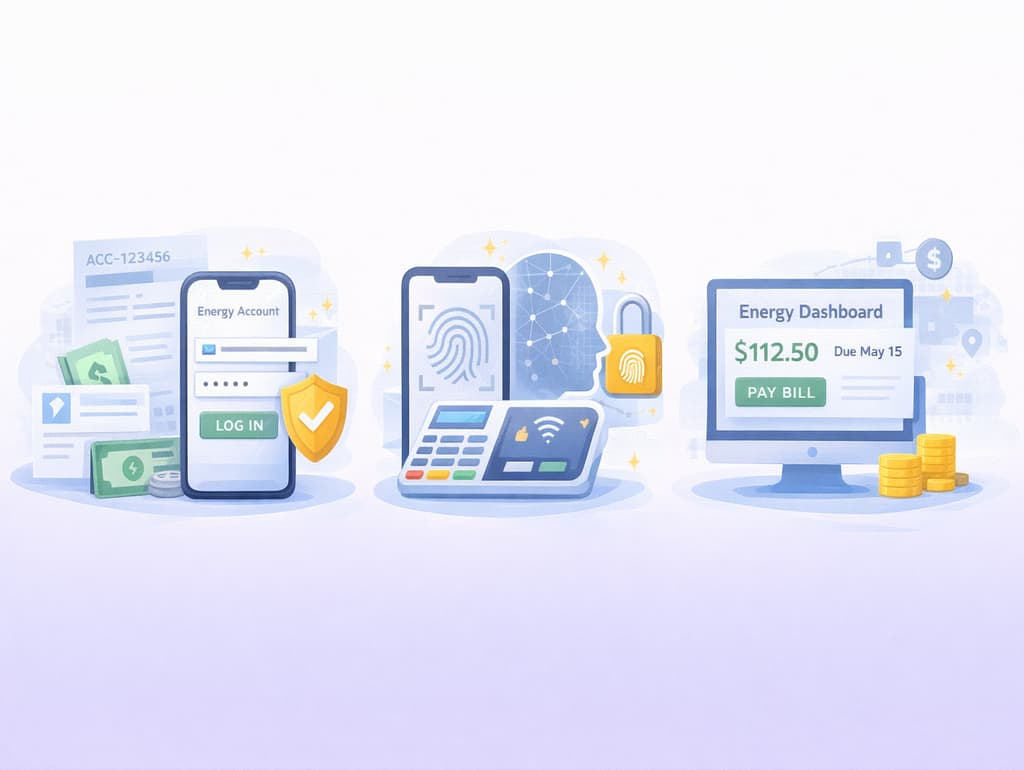
Managing energy bills used to mean stacks of paper statements and trips to payment centers. Now, digital platforms have changed how we handle these monthly obligations. The same payment flexibility you find in many online platforms, like AMEX casino sites. Digital wallets and credit card processors work across different industries to make transactions faster and more secure.
The shift to online energy management gives consumers more control. You can track patterns in your consumption and spot unusual spikes before they become costly problems.
Understanding Digital Energy Portals
Account Access and Setup
Setting up your online energy account takes about ten minutes. You need your account number from a recent bill and an email address. Most providers send a verification link to confirm your identity before granting full access.
Once inside, you’ll find your billing history and payment options. The dashboard typically shows your current balance and due date. Some portals display usage graphs that break down consumption by day or hour.
Security Features
Energy companies use encryption to protect your financial data. Two-factor authentication adds another layer of security to your login process. This means even if someone gets your password, they can’t access your account without the second verification step.
Banks and payment processors also monitor transactions for suspicious activity. Your payment information stays protected through multiple security protocols. Most providers will alert you via text or email if they detect unusual account activity.
Payment Methods and Options
Modern energy billing systems accept various payment types. Credit cards and debit cards are the most common choices. Many services also support direct bank transfers through ACH systems.
Digital wallets like PayPal and Apple Pay work with select providers. These options let you pay without entering card details each time. Some companies offer payment plans that spread costs across several months for customers facing financial challenges.
Automatic payments ensure you never miss a due date. The system withdraws funds from your chosen account on the same day each billing cycle. You can usually adjust or cancel this feature through your account settings.
Bill Management Tools
Usage Tracking
Online platforms show detailed breakdowns of your energy consumption. You can compare current usage to previous months or years. These insights help identify appliances or habits that drive up costs.
Some services send alerts when your usage exceeds normal patterns. This early warning system lets you investigate potential problems before the bill arrives. Smart meter integration provides near real-time data in certain areas.
Budget Planning Features
Many portals offer budget billing programs. These plans average your annual costs and charge the same amount each month. This removes the surprise of seasonal spikes in heating or cooling expenses.
Cost calculators estimate bills based on projected usage. You can test different scenarios to see how changes in behavior might affect your total. Some providers include energy-saving tips customized to your consumption patterns.
Mobile Applications
Energy companies have developed apps that bring account management to your phone. These applications mirror the functionality of web portals but add location-based features. You can receive push notifications about outages in your area or upcoming payment deadlines.
Mobile apps often include customer service chat functions. This lets you resolve issues without waiting on hold. Some providers allow you to report problems or schedule service appointments directly through the app.
Benefits of Online Energy Management
Here are the main pros:
- Digital billing reduces paper waste and processing costs. Companies pass some of these savings to customers through small discounts for paperless enrollment. You also eliminate the risk of lost statements or delayed mail delivery.
- Online access means you can manage your account from anywhere. Traveling for work? You can still check your balance and make payments. This flexibility matters when life gets busy, and you’re juggling multiple responsibilities.
- Historical data stays accessible for years. Need last July’s bill for tax purposes? You can download it instantly rather than digging through old files. Most systems let you export data in various formats for record-keeping.
Common Challenges and Solutions
Some users struggle with password resets or locked accounts. Most providers offer recovery options through email or text message. Customer service can unlock accounts if automated systems don’t work.
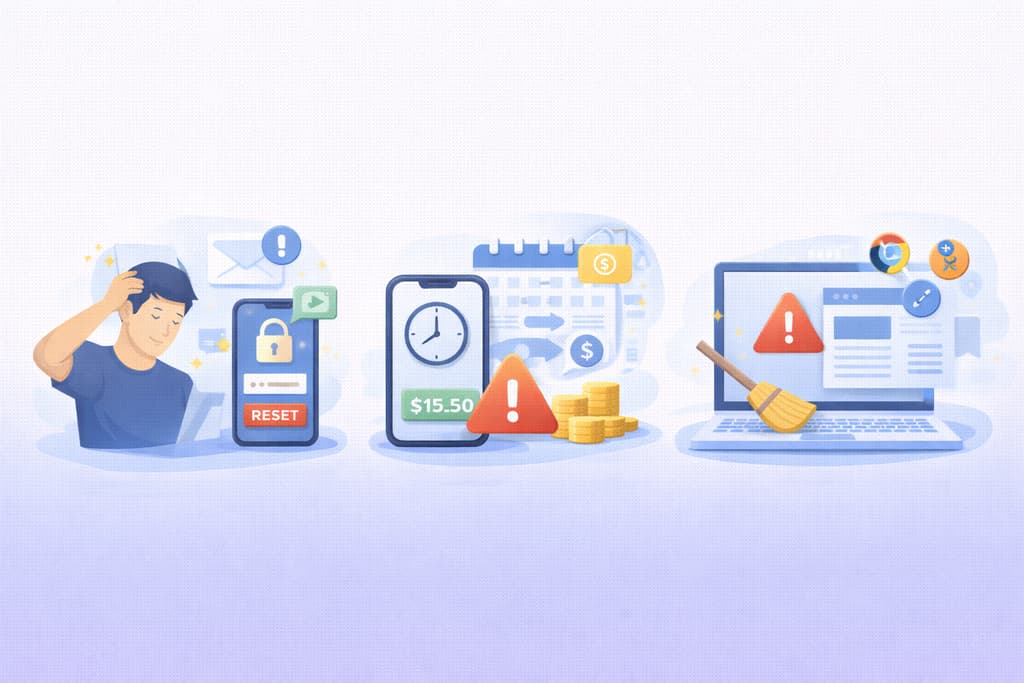
Payment processing sometimes experiences delays during high-traffic periods. Banks may take one to three business days to complete transfers. Planning payments a few days before the due date prevents late fees from processing lag.
Technical glitches occasionally affect portal access. Clearing your browser cache often resolves display issues. Using updated browsers ensures compatibility with newer security features.
Future of Energy Billing
Artificial intelligence is entering energy management systems. Predictive algorithms will suggest optimal usage patterns based on your lifestyle and local weather. These tools could automatically adjust smart home devices to minimize costs.
Blockchain technology may improve payment security and transaction speed. Some companies are testing peer-to-peer energy trading platforms that allow consumers to buy directly from renewable sources. These innovations could reshape how we think about utility relationships.
The move toward online services continues to accelerate. Companies invest in better interfaces and more intuitive features each year. Understanding these tools helps you make the most of available resources and keep your energy costs under control.